お正月に外国人の友人を家に招待したり、海外で日本文化を紹介する機会はありませんか?
「おせち料理って英語でどう説明すればいいの?」
「なぜ黒豆やエビを食べるのか聞かれたらどう答える?」
この記事では、おせち料理を英語で説明する完全ガイドをご紹介します。
各料理の意味から、外国人との実際の会話例まで、これを読めば自信を持って日本のお正月文化を伝えられます。
目次
おせち料理とは?基本を英語で説明
まず、おせち料理の基本的な説明から始めましょう。
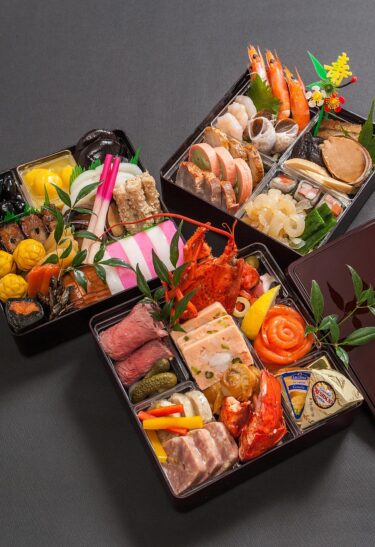
Osechi ryori is a set of traditional Japanese New Year dishes served in special lacquered boxes called jubako.
おせち料理は、重箱と呼ばれる特別な漆塗りの箱に入れられた伝統的な日本のお正月料理です。
Each layer of the box contains different types of dishes, and every dish has a symbolic meaning for good fortune in the new year.
箱の各段には異なる種類の料理が入っており、すべての料理に新年の幸運への象徴的な意味があります。
The tradition dates back to the Edo period when people prepared food that would last for several days.
この伝統は江戸時代に遡り、人々は数日間保存できる料理を準備していました。
This gave everyone, especially women, a break from cooking during the first days of the new year.
これにより、新年の最初の数日間、特に女性が料理から解放されました。
It’s like our version of a New Year’s feast that families can enjoy together over several days!
家族が数日間一緒に楽しめる、私たちの新年のご馳走のようなものです!
重箱の意味
The stacked boxes represent layers of happiness and good fortune.
重ねられた箱は、幸せと幸運が重なることを表しています。
Traditionally, there are three to five tiers, with the number of layers having special meaning.
伝統的には3段から5段あり、段数にも特別な意味があります。
The presentation itself is part of the celebration – it’s meant to look beautiful and abundant.
盛り付け自体がお祝いの一部で、美しく豪華に見えるようになっています。
おせち料理の種類と意味を詳しく解説
各料理には深い意味があります。一つずつ英語で説明できるようになりましょう。
黒豆(Kuromame – Black Beans)
Kuromame, or black soybeans, symbolize health and diligence.
黒豆は健康と勤勉を象徴します。
The word mame sounds like mame ni hataraku, which means to work diligently or be in good health.
「まめ」という言葉は「まめに働く」や「健康」を意味する音に似ています。
We cook them slowly with sugar until they’re sweet and glossy.
砂糖と一緒にゆっくり煮て、甘くツヤツヤにします。
The wish is to live healthily and work hard throughout the year.
一年を通じて健康に過ごし、勤勉に働けますようにという願いが込められています。
数の子(Kazunoko – Herring Roe)
Kazunoko represents fertility and prosperity for future generations.
数の子は子孫繁栄を表します。
It’s herring roe, so it’s literally thousands of tiny eggs packed together.
ニシンの卵なので、文字通り何千もの小さな卵が詰まっています。
The name kazunoko can be read as many children, symbolizing the wish for many offspring.
「数の子」という名前は「多くの子供」と読めることから、多くの子孫を願う意味があります。
It has a crunchy texture and salty taste, preserved in soy sauce.
カリカリとした食感と塩辛い味で、醤油漬けにされています。
伊達巻(Datemaki – Sweet Rolled Omelette)
Datemaki symbolizes knowledge, culture, and academic achievement.
伊達巻は知識、文化、学問の成就を象徴します。
Its scroll-like shape represents books and learning.
巻物のような形が本と学びを表しています。
It’s made from eggs and fish paste, rolled into a golden cylinder.
卵と魚のすり身で作られ、金色の円筒形に巻かれています。
The wish is for children to excel in their studies and for family members to grow in wisdom.
子供たちが学業で優れ、家族が知恵を深められますようにという願いです。
海老(Ebi – Shrimp)
Ebi represents longevity and a long, fulfilling life.
海老は長寿と充実した長い人生を表します。
The bent shape of cooked shrimp looks like an elderly person with a curved back!
調理された海老の曲がった形が、背中が曲がったお年寄りのように見えるのです!
The long whiskers also symbolize old age.
長いひげも老齢を象徴しています。
We hope to live long enough to have our backs bent like the shrimp.
海老のように背中が曲がるまで長生きできますようにという願いです。
れんこん(Renkon – Lotus Root)
Renkon symbolizes a clear vision and foresight for the future.
れんこんは未来への明確なビジョンと先見の明を象徴します。
The holes in the lotus root allow you to see through, representing the ability to see clearly into the future.
れんこんの穴から向こうを見通せることから、未来を明確に見通せることを表します。
It’s sliced into rounds to show off the beautiful pattern of holes.
穴の美しいパターンを見せるために輪切りにされます。
The wish is for a year without obstacles, where you can see what’s coming.
障害のない一年、未来を見通せますようにという願いです。
昆布(Konbu – Kelp)
Konbu represents happiness and joy.
昆布は幸せと喜びを表します。
The word konbu sounds similar to yorokobu, which means to rejoice or be happy.
「こんぶ」という言葉は「喜ぶ」という音に似ています。
It’s often rolled and tied, called kobu-maki, which also sounds like kobu (happiness).
巻いて結んだ「昆布巻き」は「よろこぶ」の音にも似ています。
Kelp is also considered an auspicious food because of its use in important ceremonies.
昆布は重要な儀式でも使われることから、縁起の良い食べ物とされています。
栗きんとん(Kuri-kinton – Candied Chestnuts)
Kuri-kinton symbolizes wealth and prosperity.
栗きんとんは富と繁栄を象徴します。
Its golden color represents gold or treasure.
金色の色が金や財宝を表しています。
Kinton literally means golden mashed sweet potato with chestnuts.
「きんとん」は文字通り「金団」、栗入りの金色の芋餡です。
The wish is for financial prosperity and accumulating wealth in the coming year.
来る年の経済的繁栄と富の蓄積を願います。
かまぼこ(Kamaboko – Fish Cake)
The red and white kamaboko represents celebration and the rising sun.
紅白のかまぼこはお祝いと昇る太陽を表します。
Red and white are traditional celebratory colors in Japan.
紅白は日本の伝統的なお祝いの色です。
When sliced, the semi-circular shape resembles the first sunrise of the year.
スライスすると、半円形が新年の初日の出に似ています。
Red symbolizes protection against evil, while white represents purity.
赤は魔除け、白は純粋さを象徴します。
お煮しめ(Onishime – Simmered Vegetables)
Nishime is a variety of root vegetables simmered together, representing family bonds.
煮しめは様々な根菜を一緒に煮たもので、家族の絆を表します。
Different vegetables cooked together in one pot symbolize families coming together.
様々な野菜が一つの鍋で一緒に煮られることが、家族が集まることを象徴します。
Root vegetables represent stability and being grounded.
根菜は安定と地に足のついた生活を表します。
Common ingredients include carrots, burdock root, taro, and shiitake mushrooms.
一般的な材料には、人参、ごぼう、里芋、椎茸などがあります。
紅白なます(Kohaku Namasu – Vinegared Daikon and Carrot)
This red and white salad represents celebration and good fortune.
この紅白のサラダはお祝いと幸運を表します。
The red carrot and white daikon are thinly sliced and dressed in sweet vinegar.
赤い人参と白い大根を細切りにして、甘酢で和えます。
The colors and shape resemble the ceremonial mizuhiki cords used in gift-giving.
色と形が、贈り物に使われる儀礼的な水引に似ています。
It adds a refreshing, tangy taste to balance the rich dishes.
濃厚な料理のバランスを取る、さわやかで酸味のある味を加えます。
おせちの食べ方とマナー
いつ食べるのか
We typically eat osechi on January 1st, but it lasts for the first three days of the new year.
通常、おせちは1月1日に食べますが、新年の最初の3日間続きます。
Traditionally, we don’t cook fresh meals during this time.
伝統的に、この期間は新しい料理を作りません。
This allows everyone to rest and enjoy time with family without worrying about cooking.
これにより、皆が料理を心配せずに休み、家族と過ごす時間を楽しめます。
The preserved nature of osechi dishes makes them perfect for this purpose.
おせち料理の保存性が、この目的に最適です。
誰が作るのか
Traditionally, the women of the household prepared osechi from scratch.
伝統的には、家庭の女性たちが一から手作りしていました。
However, nowadays, most families buy pre-made osechi from department stores or restaurants.
しかし、現在では、ほとんどの家庭がデパートやレストランで出来合いのおせちを買います。
A full traditional osechi set can cost anywhere from 10,000 to 50,000 yen or even more!
伝統的なおせちのフルセットは、1万円から5万円、それ以上することもあります!
Some families still make certain dishes at home while buying others.
家庭でいくつかの料理を作り、他は買うという家族もいます。
お正月の他の料理
お雑煮(Ozoni – New Year’s Mochi Soup)
Ozoni is a special soup with mochi rice cakes that we eat on New Year’s Day.
お雑煮は、元日に食べるお餅入りの特別なスープです。
The ingredients vary dramatically by region – some use clear soup, others use miso.
材料は地域によって大きく異なり、澄まし汁を使うところもあれば、味噌を使うところもあります。
In Tokyo, we use a clear soy sauce-based broth with square mochi.
東京では、醤油ベースの澄まし汁と角餅を使います。
In Kyoto, they prefer white miso soup with round mochi.
京都では、白味噌のスープと丸餅が好まれます。
The mochi represents the passing of time and the connection between the old and new year.
お餅は時の流れと、旧年と新年のつながりを表しています。
年越しそば(Toshikoshi Soba)
While not technically eaten on New Year’s Day, toshikoshi soba is eaten on New Year’s Eve.
厳密には元日に食べるものではありませんが、年越しそばは大晦日に食べます。
The long noodles symbolize longevity and letting go of the past year’s hardships.
長い麺は長寿と、過去一年の苦労を手放すことを象徴します。
Soba noodles break easily, representing cutting ties with the old year’s troubles.
そばは簡単に切れるため、旧年の問題との縁を切ることを表します。
It’s usually a simple hot soup with tempura or green onions.
通常、天ぷらやネギの入ったシンプルな熱いスープです。
お屠蘇(Otoso – Spiced Sake)
Otoso is a ceremonial spiced sake drunk to ward off evil and ensure good health.
お屠蘇は邪気を払い、健康を確保するために飲む儀式的な薬味入りの日本酒です。
It’s traditionally drunk in order of age, from youngest to oldest.
伝統的に、最年少から最年長の順に飲みます。
The idea is that the young pass their vitality to the elders.
若者が年配者に活力を渡すという考えです。
The spices include cinnamon, ginger, and sansho pepper.
薬味にはシナモン、生姜、山椒などが含まれます。
外国人への実践的な説明例
会話形式の例文
Friend: Wow, this looks amazing! What is all this food?
すごい!これ全部何の料理?
You: This is osechi – our traditional New Year food. Each dish has a special meaning!
これはおせちといって、伝統的なお正月料理です。それぞれの料理に特別な意味があるんですよ!
Friend: Really? Can you tell me about some of them?
本当に?いくつか教えてもらえる?
You: Sure! See these black beans? They represent health and hard work for the coming year. And these shrimp – their bent shape looks like an old person, so they symbolize longevity!
もちろん!この黒豆、見える?これは来年の健康と勤勉を表しています。そしてこの海老は、曲がった形がお年寄りに見えるから、長寿を象徴しているんです!
Friend: That’s so interesting! Why is everything in these boxes?
すごく面白い!なんで全部この箱に入ってるの?
You: The stacked boxes represent layers of happiness. Plus, osechi was designed to last for days so families could rest and spend time together without cooking.
重ねた箱は幸せが重なることを表しています。それに、おせちは数日間保存できるように作られているから、家族が料理せずに休んで一緒に過ごせるんです。
よく聞かれる質問への答え方
Q: Do you eat this every day? 毎日食べるの?
A: No, we mainly eat it during the first three days of January. It’s a special New Year tradition.
いいえ、主に1月の最初の3日間に食べます。特別なお正月の伝統です。
Q: Did you make all of this? これ全部作ったの?
A: Actually, most families buy it nowadays from department stores or restaurants. Traditional osechi takes days to prepare!
実は、最近ではほとんどの家庭がデパートやレストランから買います。伝統的なおせちは作るのに何日もかかるんです!
Q: Is it expensive? 高いの?
A: Yes, a full set can cost 10,000 to 50,000 yen or more, depending on the quality and variety. It’s considered an investment in starting the year well.
はい、フルセットは品質や種類によって1万円から5万円以上することもあります。良い年始めのための投資と考えられています。
Q: What does it taste like? どんな味?
A: Most dishes are slightly sweet and savory because of the sugar and soy sauce used for preservation. Some dishes are tangy, like the vinegared vegetables.
保存のために砂糖と醤油が使われているので、ほとんどの料理はやや甘くて塩辛いです。酢の物のように酸っぱい料理もあります。
初詣とお年玉の説明
初詣(Hatsumode)
Along with osechi, another important New Year tradition is hatsumode – the first shrine visit of the year.
おせちと並んで、もう一つの重要なお正月の伝統が初詣 – 新年最初の神社参拝です。
We go to pray for good fortune, health, and success in the coming year.
来る年の幸運、健康、成功を祈るために行きます。
Popular shrines can have over a million visitors during the first three days!
人気の神社では、最初の3日間で100万人以上の参拝者が訪れることもあります!
お年玉(Otoshidama)
Otoshidama is money given to children in decorative envelopes during New Year.
お年玉は、お正月に子供たちに装飾された封筒で渡されるお金です。
It’s similar to Christmas gifts in Western countries, but it’s cash instead of presents.
西洋のクリスマスプレゼントに似ていますが、プレゼントではなく現金です。
The amount depends on the child’s age, usually ranging from 1,000 to 10,000 yen.
金額は子供の年齢によりますが、通常1,000円から10,000円です。
It’s one of the most exciting parts of New Year for Japanese children!
日本の子供たちにとって、お正月で最もワクワクする部分の一つです!
まとめ:日本のお正月文化の特別さ
Japanese New Year is more than just a holiday – it’s a time for family, reflection, and hope for the future.
日本のお正月は単なる祝日以上のもの – 家族、振り返り、未来への希望の時間です。
Osechi ryori embodies this spirit, with each dish carrying wishes for health, prosperity, and happiness.
おせち料理はこの精神を体現しており、各料理に健康、繁栄、幸福への願いが込められています。
When you explain osechi to foreign friends, you’re not just talking about food – you’re sharing centuries of cultural tradition and the values that matter most to Japanese people.
外国人の友人におせちを説明する時、あなたは単に食べ物について話しているのではなく、何世紀にもわたる文化的伝統と日本人にとって最も大切な価値観を共有しているのです。
Next time you enjoy osechi, take a moment to appreciate not just the flavors, but the rich symbolism and history behind each bite.
次におせちを楽しむ時は、味だけでなく、一口一口の背後にある豊かな象徴性と歴史を味わってください。
Happy New Year, or as we say in Japanese: Akemashite omedetou gozaimasu!
新年おめでとうございます、日本語では「明けましておめでとうございます!」
ぜひお正月の意味を知り、外国人の方にも英語で伝えてみてくださいね。
それではみなさん、よいお年を!
Have a happy New Year!
▼メルマガ登録はこちら
読者限定の動画レッスンも無料配信!
『イングリッシュブレークスルー』
http://prj2020.com/rp/Wzpk28
▼サチン・チョードリーに英語を教わりたい方はこちら
オンライン英語スクール『SPEAK UP(スピークアップ)』
https://speak-out.info/
▼誰でも参加OK!良かったら気軽に参加してください
無料体験セミナー開催中
https://speak-out.info/trial.php
[メディア・SNS]
SNSによるネットワークは英語学習においても強力な学習手段になります。ぜひブログ、YouTube、Facebookページと楽しんでアクセスしてください。

【サチン・チョードリー Youtubeチャンネル】
http://doll-ex.jp/L3488/bfk59492/11921
*チャンネル登録すると新作動画公開のお知らせが届きます。お見逃しなく!
【『イングリッシュブレークスルー』公式Facebookページ】
https://business.facebook.com/EnglishBreakthrough7/
【サチン・チョードリー公式LINEスタンプ】
https://line.me/S/sticker/11082591?lang=ja&ref=lsh_stickerDetail